Welcome to Our Orthopedic Clinic in Pakistan!
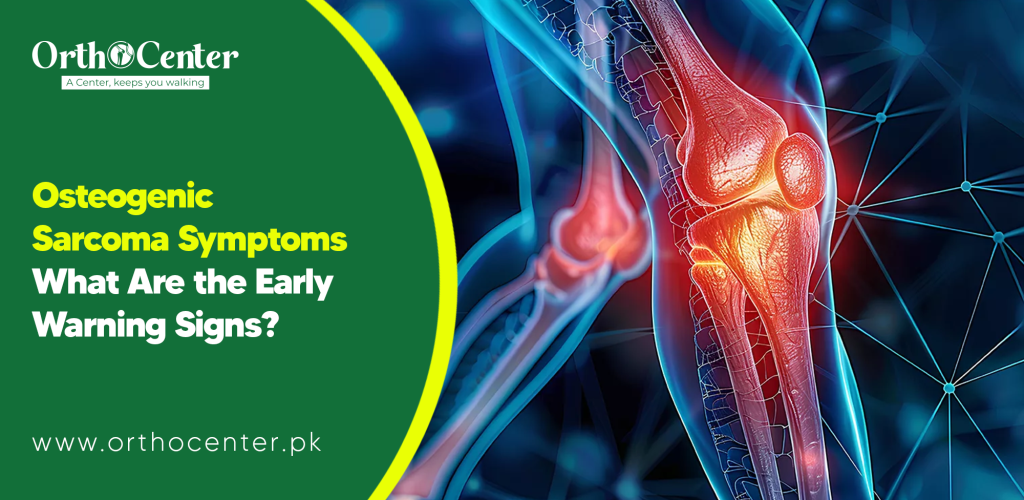
Most people easily overlook continuous bone pain because it may occur due to fatigue, sports activities or injuries, especially in adolescents and kids. In some instances, bone and joint pain may actually be a sign of a more severe disease such as osteogenic sarcoma. Early osteogenic sarcoma symptoms mimic various joint conditions.
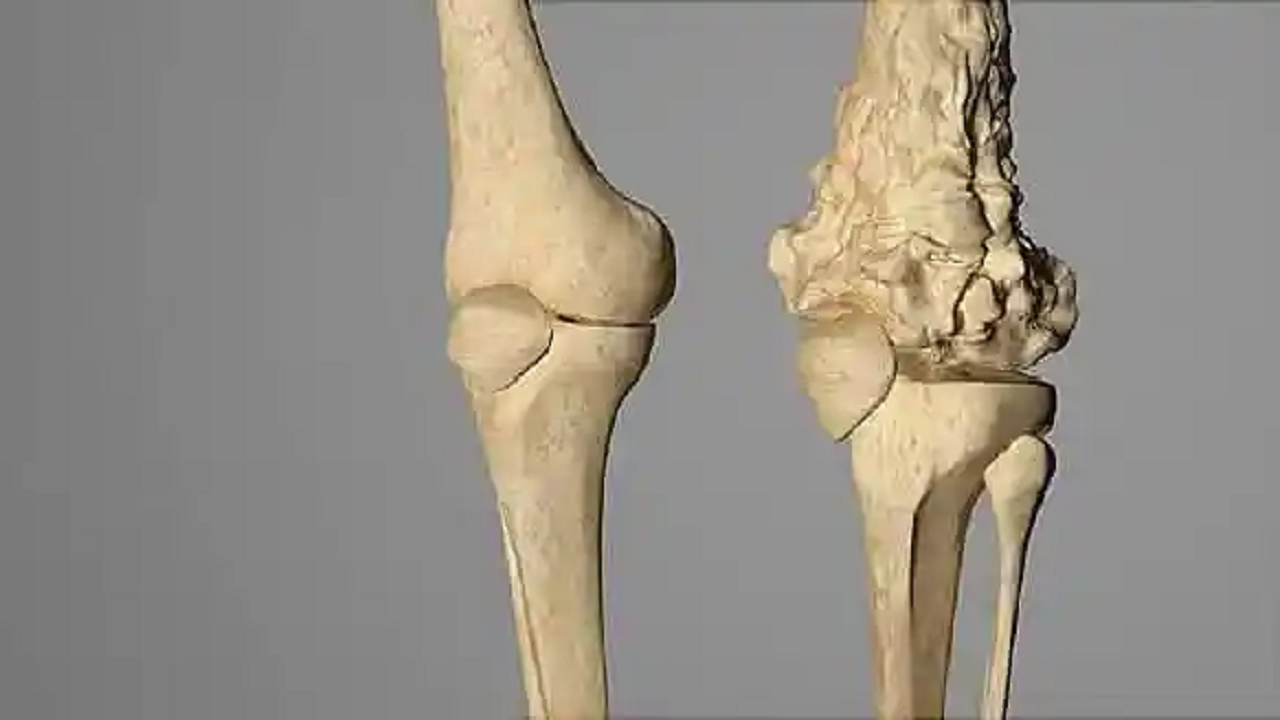
Osteogenic sarcoma is a type of bone cancer that originates from the cells responsible for making bone. This kind of cancer usually appears in the long bones of the limbs, especially in areas near the knees and shoulders. This bone cancer usually affects younger patients, but there are also cases wherein it happens among adults. Having symptoms doesn’t always mean that you have cancer, since they can also appear due to other reasons.
An experienced orthopedic surgeon like Dr Ahmed Shoaib can confirm the diagnosis and plan treatment. His patients receive complete guidance and emotional support throughout the treatment journey. Understanding what you are suffering from and how to deal with the disease boosts recovery and increases the survival rate.
The early warning signs of bone cancer may be mild and develop gradually, sometimes resembling symptoms of a sports-related injury. The location and size of the tumor can influence which symptoms appear and how noticeable they become.
Here’s a short list of osteogenic sarcoma symptoms.
One of the most common symptoms is pain. It initially tends to be intermittent instead of being present all the time. Some patients experience pain when they are active, whereas some feel pain at night.
With time, as the tumour grows, the pain can become more frequent or severe. Persistent pain, which doesn’t improve with resting or medication, needs professional help. Sometimes, pain in the joints can be confused with arthritis, tendinitis, or a sports injury.
Swelling around the affected bone is yet another vital symptom to look for. There may either be visible swelling, or you may be able to feel a lump on touching
This swelling may occur around a joint or along a bone. It may sometimes not become noticeable until the tumor has reached its later stages. Any lump or swelling that persists, grows in size, or happens along with bone pain needs to be seen by your doctor.
Osteogenic sarcoma may form in close proximity to joints, especially those of the knee and shoulder. The effects of the tumor on the adjoining parts cause stiffening and restricted movement. For instance, a tumor close to the knee causes difficulty when bending and extending the leg. Other normal activities also become difficult for you to do.
Stiffness on its own doesn’t indicate osteogenic sarcoma. When stiffness occurs in combination with pain or other symptoms, then it requires further examination.
If this bone cancer arises in the bones that are meant to bear your weight, like the femur and tibia, then the pain significantly affects the way you move. For instance, you may develop a limp or start to walk with difficulty due to the pain. If the tumour arises in the arm, then moving it or lifting can cause pain.
It gradually becomes more evident as the symptoms arise. Changes in movement that persist without any explanation should be evaluated, especially if pain accompanies it.
The presence of this medical condition can result in weakening of the bone in question. This may lead to fractures, even after an apparently insignificant trauma.
The fracture through the tumor may be the first indication of the problem. Patients may feel pain in the particular region for several weeks or months prior to the development of the fracture. An unexplained fracture doesn’t necessarily mean cancer, but it needs to be evaluated for its cause.
Most of the symptoms are dependent on the location of the tumor. Individuals with an advanced condition may exhibit symptoms if the cancer cells move from one organ to another. The lungs are a common target of osteosarcoma metastasis. Lung metastases are usually asymptomatic.
But some symptoms may be experienced, such as persistent coughing, difficulty breathing, pain in the chest, or fluid in the lungs. There are various potential causes of these symptoms, and it is unwise to immediately blame osteogenic sarcoma.
Most people often miss early osteogenic sarcoma symptoms because they mimic very common diseases. It is common for children and young people to develop bumps and strains when they are physically active. Bone pain following physical exercise could be considered a normal occurrence.
The pain may also be experienced in a joint region where one would suspect that the issue affects the joint or the tendons, rather than the bones. If the pain or swelling persists or worsens, you should seek medical help. You shouldn’t be afraid of being checked by your doctor. Only a few cases turn out to be cancerous.
Medical evaluation is indicated if there are signs of persistent or worsening bone and joint pain that doesn’t have a clear explanation. You should also consult an orthopedist if any of the following occurs:
There is no need to assume that these symptoms are caused by osteosarcoma, as many of them can have other explanations. A medical evaluation by best orthopedic surgeons can help identify the underlying cause, confirm the diagnosis, and determine the appropriate treatment.
There is no standard test to detect osteosarcoma in asymptomatic individuals. It usually is diagnosed after patients present with their symptoms.
This medical condition is relatively uncommon and, for the most part, presents symptoms that may be indicative of more common conditions that affect bones and joints. The most frequently encountered symptom is chronic pain in the bone or joint region; swelling, a mass, stiffness, difficulty moving an affected limb, or unexpected bone fractures.
What matters here is not to overlook persistent or progressive symptoms. Timely medical consultations will assist in determining whether the problem is injury-related, caused by some other musculoskeletal disorder, or you need more investigation.
Dr. Ahmed Shoaib is an orthopedic surgeon specializing in the treatment of complex joint problems. His clinical experience and expertise support comprehensive care at an orthopedic treatment center, where patients can receive evaluation and treatment based on their individual joint conditions.
If you or your child experience unexplained chronic bone pain or swelling, you should consult a specialist. Examination and necessary tests will help to clarify the situation.
WhatsApp Us
