Welcome to Our Orthopedic Clinic in Pakistan!
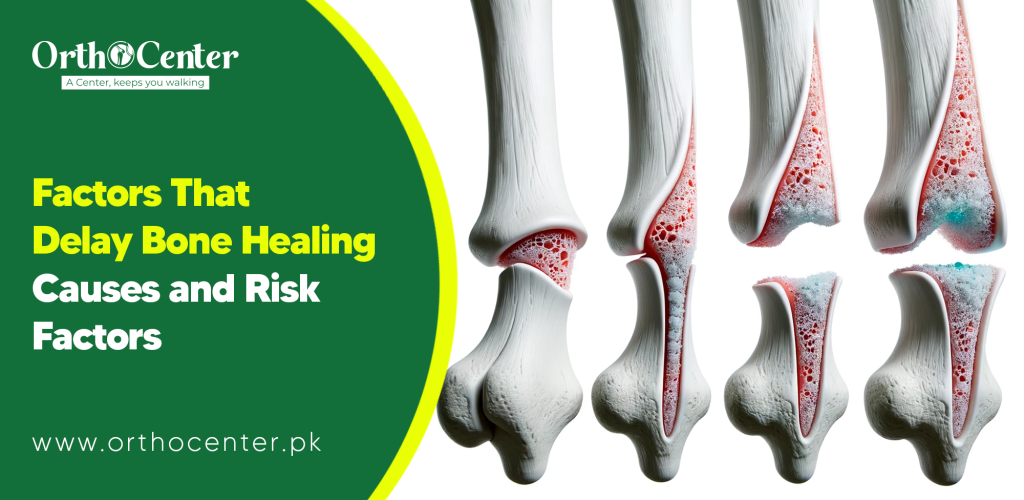
Bone healing is a biological process through which bone injuries are restored. But when someone suffers from bone cancer or has received treatment for the disease, healing becomes complicated. This happens because tumors reduce the strength of bones, while surgical intervention, chemotherapy, and radiation therapy also damage the body tissues that heal.
Not everyone with bone cancer will delay bone healing, as several factors can affect the body’s natural healing process. The likelihood of developing this problem arises from various aspects. The type and location of cancer, treatment and its complexity, the general health of the patient, as well as the type of reconstruction needed all matter.
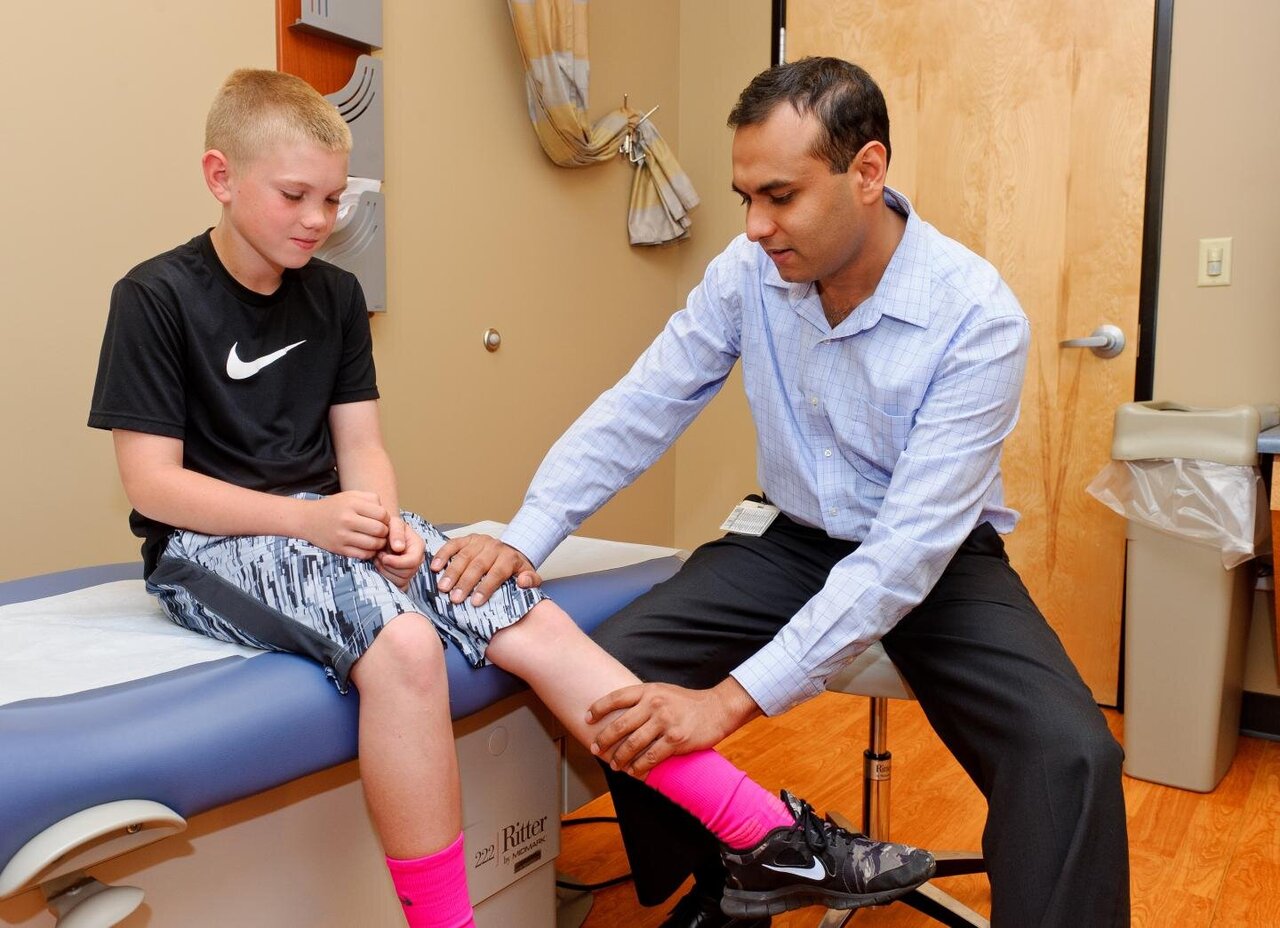
Dr Ahmed Shoaib is an orthopedic surgeon delivering international healthcare standards of treatment. He dedicatedly helps patients until they feel completely healthy and normal. Understanding what can cause slow bone healing can help you follow your treatment plan.
Bone cancer can affect the structure of the bone. With time, the tumor will replace or destroy the bone tissue, which increases the risk of bone fractures and lowers the ability of bone to withstand the applied load.
Treatment can present its own challenges. During surgery, the affected section of bone may be removed and reconstructed using a bone graft, metal implant, or another technique. The body needs time to recover from the procedure and for the reconstructed area to become stable. While signs of bone cancer are important for early evaluation, several factors can also affect healing after treatment and are discussed below.
The tumor size and location affect the extent of bone removal needed in the process. Larger tumors need more complicated surgical and reconstructive procedures. When you remove a larger portion of bone, there is going to be a bigger area that should heal.
The surrounding muscles, ligaments, arteries, and other tissues are also likely to be affected by the surgery. The more tissue involved, the harder healing tends to be.
A good blood supply is vital for bone repair because the blood provides oxygen, nutrients, and cells that form new bone and repair damage. The development of a bone tumour will affect the tissue and blood vessels in its vicinity. Any surgery performed may influence the blood supply in the affected area. Poor circulation means that the healing process will be prolonged.
This applies especially when the patient undergoes reconstruction following removal of a tumour. The success of some reconstruction techniques is contingent upon a good blood supply.
Chemotherapy is one of the therapies employed to deal with specific forms of bone cancer. It targets the cancer cells, but it can affect other cells and organs. Based on the type of drugs administered, chemotherapy may affect the production of blood cells as well as the body’s response to infections and recovery from surgeries. This effect differs among individuals.
Radiotherapy is the use of high-energy radiation to eliminate cancerous cells. Where radiation therapy is applied to tissues near a bone, it affects healthy cells and blood vessels within the treated area. Radiation therapy can also impair the ability of tissues to regenerate.
Therefore, radiation may cause slow recovery in certain circumstances. Not all bone cancers require radiotherapy treatment. This depends on various issues such as cancer type, tumor location, surgery results, and response to other treatments.
Infections can affect normal bone and wound healing. This becomes a major issue, especially after any cancer-related surgical procedures that involve implants or reconstructive surgery. The symptoms include:
Sometimes infections are hard to detect. If you get infected, the doctor may use antibiotics and other forms of treatment based on the site of the infection.
Visit Orthocenter for Safe Treatment And A Smoother Recovery From Bone Cancer.
Some patients require bone grafts in case of removal of cancerous bones. The graft should integrate with other bones for proper reconstruction to occur. Healing can be delayed if there is inadequate blood flow or issues to do with instability and infections in the graft.
The size of the graft affects the healing process. Alternatively, some patients go through other forms of reconstruction like metallic implants.
Bones require proper stability in order to heal. After the removal of a tumour and reconstruction, surgeons will apply plates, screws, rods or any other device for stability. Excessive movements in the area of healing may prevent the formation of new bones.
For this reason, patients are usually advised on the issue of bearing weight and engaging in physical activities. Too much inactivity leads to muscle weakness and stiffness in joints. The rehabilitation process should therefore be gradual.
Nutrition can be affected by cancer and its treatments, while surgery may further increase the body’s nutritional needs. A diet to speed up bone healing should provide adequate protein to support tissue repair, along with calcium and vitamin D for bone health. Severe nutritional deficiencies can make tissue regeneration more difficult. If cancer treatment affects your eating habits, speak with your healthcare team or a dietitian to help meet your nutritional requirements.
Smoking can impede blood flow and wound healing. Certain chemicals in cigarette smoke can impair oxygen delivery to the tissues. This can result in delayed bone healing, especially after extensive bone surgeries or reconstructions. If you are a smoker, you should discuss how to quit smoking with your medical team.
Some health conditions can impact your ability to heal. These include:
Your doctors can identify underlying issues and address potential complications during treatment. Orthopedic surgeons in Pakistan can also assess bone-related concerns and help manage existing musculoskeletal conditions alongside cancer treatment when appropriate.
Age plays a role in recovery, but it’s not the only determining aspect. Young people tend to heal well from bone injuries. Other health issues may affect elderly individuals, thus slowing down the process.
General health, bone strength, nutritional status, physical activity, and the intricacy of the treatment process may matter more than age itself. Your medical team will assess your health status rather than depending on age to predict recovery.
A number of things may interfere with bone healing, particularly in the presence of bone cancer treatments. Bone damage from tumours, surgery, reduced blood circulation, chemotherapy, and radiation therapy may also interfere with proper bone healing. Infections, issues related to reconstruction, lack of proper nutrition, smoking, and pre-existing illnesses can also get in the way.
Since each case of bone cancer is unique, bone healing needs assessment by a skilled orthopedic surgeon like Dr Ahmed Shoaib at Orthocenter.
He provides advanced treatments and individualized care to each of his patients. Adherence to medical advice, proper nutrition, no smoking, and regular follow-ups may assist the bone healing process.
WhatsApp Us
