Welcome to Our Orthopedic Clinic in Pakistan!
A hip replacement surgery is a surgical procedure that directly impacts your life. It lowers pain levels, restores free movements, and enhances overall quality of life. Choosing the best surgeon to carry out a hip replacement procedure will have a great effect on how successful the surgery will be.
The way you prepare for your initial visit, the types of questions you ask, and the way you assess the surgeon’s credentials will all be driven by using a structured pre-consultation checklist.
A skilled and compassionate surgeon like Dr Ahmed Shoaib at Orthocenter always satisfies his patients through comprehensive communication, especially when it comes to hip replacement surgery. It’s his dedication that he gives every patient enough one-to-one time to fully address their concerns and answer all queries.
This article outlines some major elements to think about before visiting a surgeon that can mark him the right hip replacement surgeon for you.
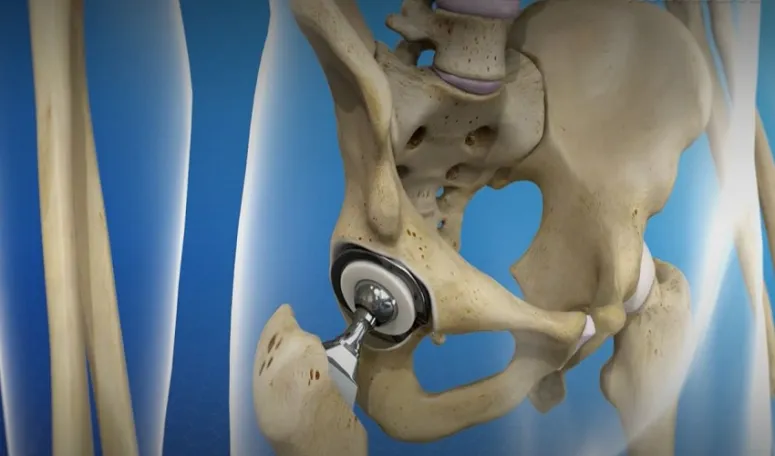
Hip replacement surgery is done to help reduce pain and restore mobility for individuals. Usually, it is recommended for a patient who has suffered damage to their hip due to an injury or has developed a degenerative condition like Osteoarthritis.
The surgical procedure involves removing the diseased portion of the hip and replacing it with a prosthetic; a prosthetic device can be composed of metallic, ceramic, or molded plastic.
Moreover, following the surgery, exercise or rehabilitation will assist the patient in returning to their normal life activities. It also reduces the physical difficulties associated with a chronic hip condition.
Deciding to have a hip replacement is a big choice. Your confidence in your decision truly belongs to the surgeon you choose. With the help of the following checklist, you can find the right hip replacement surgeon who can be with you till your complete rehabilitation.
Validate the surgeon’s credentials. You must confirm that:
The surgeon’s credentials indicate their training, professional responsibility (ethics) and accountability, showing that your procedure will be precise and safe.
Surgical experience has a direct impact on the outcome of hip replacement surgery. Surgeons’ annual volume of hip replacement procedures shows their experience, and thus also indicates the level of success the patient can expect from the procedure. An experienced surgeon with considerable years of clinical practice has the confidence and knowledge to effectively deal with the surgical complications that may arise from variations in patient anatomy.
Moreover, you should also clarify the revision surgery experience when choosing among Orthopedic Surgeons in Pakistan. There is a possibility of future hip revision surgery, so patients must find an expert who is highly skilled in revision procedures, as a surgeon with revision surgery experience demonstrates advanced and specialized proficiency.
Durability, mobility, and function all belong to implant selection. Thus, inquire regarding the recommended implant types. The preferred types may consist of reduced weight materials such as metal, ceramic or polyethylene. Moreover, understand the lifespan and possible successful performance of the implant.
Discuss suitability for the implant regarding the patient’s age and activity levels. Make sure that the implants are internationally approved because reliable brands provide superior and long-term performance.
Visit Orthocenter, Break The Barriers, Restore Mobility
The surgical setting is important. Check with the hospital about its accreditation status. Inquire about their infection control programs because hospitals that have low infection rates show that they follow good surgical practices.
It is important to know if they have an advanced operating room and an intensive care unit (ICU) shortly after surgery in the event you may need further care. Doubtlessly, a hospital with emergency care helps ensure patient safety.
Along with modern facilities, a skilled surgical team is very important for successful surgery. A complete medical team is needed at every stage, from the operation to recovery. Anesthesiologists, nurses, and physiotherapists all play a key role in pain control, rehabilitation, and healing. When the team is experienced and well-coordinated, patients recover more smoothly and get better long-term results.
It is important to have a thorough assessment for the overall success of the procedure during both Pre-op and Post-op phases. Before surgery, patients may need to undergo various tests, including lab work (blood tests), EKG, and a chest X-ray, along with obtaining medical clearance to ensure safety and optimal outcomes.
Moreover, if you have diabetes, heart disease, or hypertension, let these risks be evaluated and managed before surgery. By doing a thorough evaluation, a surgeon is able to greatly reduce the surgical risk. Knowing about all the components can let you confidently proceed and enable you to inquire if something is missing.
Recovery time is highly affected by pain control. It is necessary to know about the pain management techniques, such as regional anesthesia and/or nerve block. Moreover, you must have an idea about postoperative pain medications. Effective pain management improves comfort and mobility, and an experienced surgeon focuses on patient well-being first.
It is important to inquire about the duration of walking and when normal activity may resume. Because early movements reduce complications after surgery. Discuss the hospital stay after surgery. Understand how physiotherapy can help during recovery. A rehabilitation that is planned will provide success in the long term.
To understand a surgeon’s professionalism and confidence, request to see his success rate. Because an experienced surgeon will record the results of every surgery he performs. Moreover, check patient reviews for further satisfaction. Read verified reviews & testimonials from patients. Consistently receiving positive feedback indicates dependable service.
Moreover, don’t rely on a single review and check for trends in feedback from many different sources. Try to evaluate a surgeon’s level of expertise, and request to see the surgical complication rate. Possible surgical complications are: infection, dislocation and/or implant failure. However, transparency reflects professionalism and confidence.
Every surgery carries some level of risk, but what matters is understanding those risks clearly and knowing how they are managed. Possible complications may include blood clots, nerve injury, infection, or minor differences in leg length. A clear discussion about risks helps patients set realistic expectations and feel more prepared.
A right hip replacement surgeon will always explain potential complications honestly and guide you on how they can be minimized through proper planning, safety protocols, and aftercare.
Follow-up care is an important part of long-term surgical success. Before your procedure, make sure you understand how often follow-up appointments will be scheduled and what each visit includes. Regular check-ups help track your healing, guide rehabilitation, and quickly detect any concerns before they become serious ensuring a safer recovery and better final results.
Verify there will be a way to reach your surgeon after discharge for support when required. Additionally, having facilities to communicate with your surgeon promotes an optimal recovery.
The costs associated with having hip replacement surgery can add up quickly. There are the surgeon’s and the hospital’s facility fees. Moreover, there is the cost for the hip implant, anesthesia, and rehabilitation program. It is a good idea to know about the expenses before the appointment, so you can talk about financial options with your doctor when you go to see a surgeon.
However, an experienced practice will provide you with information on the different costs they charge, the types of insurance that they accept, and the ways that you can pay them. Having this information allows you to prepare for any unexpected costs that may arise during your treatment.
Ultimately, your feelings about your surgeon matter. A great surgeon creates a sense of assurance. And, because clarity and comfort are important, in case of any doubt, get a second opinion. Undoubtedly, your health is an asset and needs everything at its best.
In the end, finding the right hip replacement surgeon requires thorough research and reflection before your first consultation. It is needed to create a detailed pre-consultation list to help evaluate the surgeon’s qualifications, experience and communication approach, as well as the overall clinic image. By coming prepared to the consultation, patients will have more successful discussions, be more confident in making decisions and start with a strong foundation for their hip replacement journey.
The right hip replacement surgeon doesn’t only perform a procedure — they restore confidence, comfort, and movement. Like Ahmed Shoaib at Orthocenter, true expertise means combining surgical precision with a complete patient-first approach. From your very first visit, you’ll feel heard, guided, and supported — with a clear plan designed to help you regain mobility, reduce pain, and return to an active, independent life.
WhatsApp Us
