Welcome to Our Orthopedic Clinic in Pakistan!
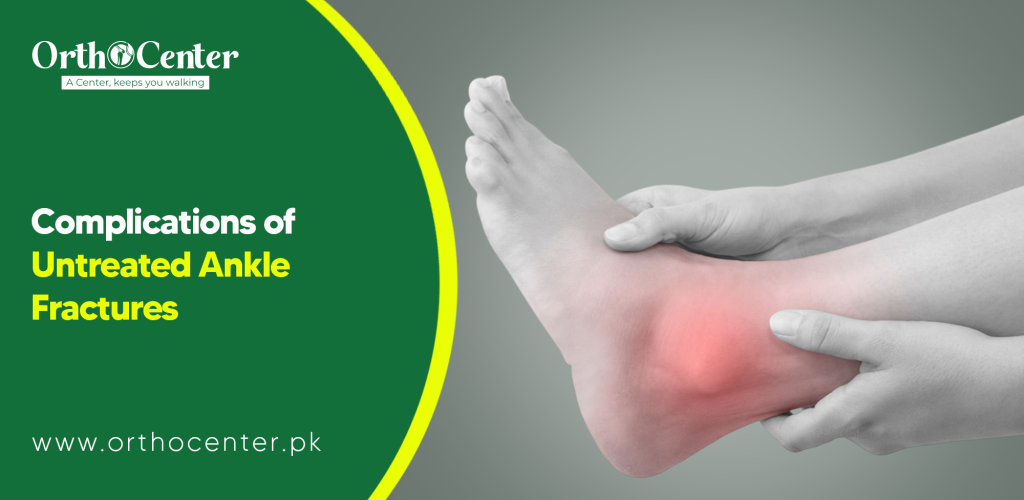
An ankle fracture can range from a simple break caused by a minor fall to a complex injury resulting from a serious accident. The severity varies widely — some fractures allow limited weight-bearing, while others can make standing or walking impossible for months and may require surgical repair. Early and accurate diagnosis is essential to prevent long-term complications such as chronic pain, instability, or joint stiffness.
At Ortho Center, Dr. Ahmed Shoaib provides expert evaluation and comprehensive ankle fracture treatment tailored to the type and severity of your injury. With a focus on precise alignment, safe healing, and structured rehabilitation, he ensures that every patient receives personalized care aimed at restoring stability and confident movement.
This article explains the severe complications of an ankle fracture if it is not treated in time.
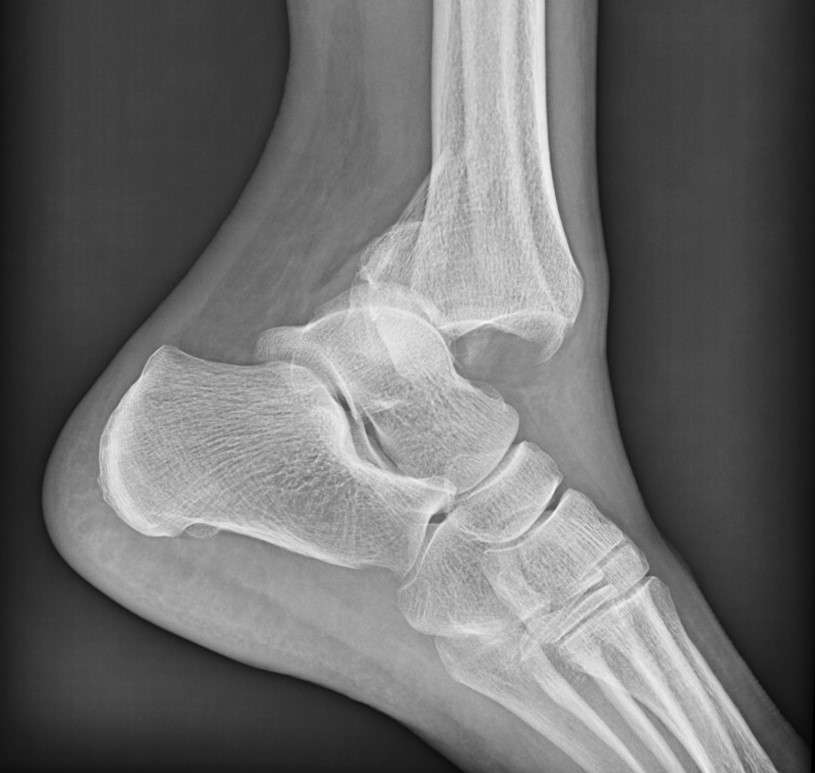
There are three bones in the ankle, simply called as tibia (shinbone), the fibula (outer lower leg bone), and the talus (small foot bone). These elements in the ankle not only help it move, but they also work together to promote stability. A broken ankle is most often from a turning, twisting, or rolling injury. Although bones and joints are the strongest organs of the body, if some pressure exceeds their strength, then they can be fractured.
An average step, a slight sudden slip, or an unexpected twist in the ankle can literally change life in seconds. Immediate shooting pain is felt in the ankle, and standing becomes difficult. What may be thought of as a minor pain or minimal injury today may, in fact, be a lifelong struggle or pain that may accompany for many years of life. In Pakistan, ankle injuries are quite common, ranging from
Since the ankle carries the entire body weight every time a person takes a walk, it is important to treat the fracture properly in the correct manner in order for the bones to heal properly.
The ankle fractures can be stable, displaced, open, or complex, depending on the severity. Ankle fractures often go unnoticed for various reasons: the pain reduces after a few days, home remedies seem to work well, or people are afraid of surgery. Some individuals also delay seeking proper medical care due to financial concerns, lack of awareness, or uncertainty about where to find reliable Ankle Fracture treatment in Lahore.
Whichever the reason may be, untreated ankle fractures rarely heal properly. Without timely and professional Ankle Fracture treatment in Lahore, the bones can unite in an abnormal position, the alignment of the joint may become disordered, the ligaments can weaken, and the cartilage gradually loses its normal condition. Eventually, these changes lead to structural damage and a significant decrease in normal ankle function.
Expert ankle fracture treatment from Dr. Ahmed Shoaib at Ortho Center to restore balance, mobility, and strength.
At first, the pain appears to be tolerable, even reducing with time. However, with the instability of the joint, pain occurs during walking. Standing for long durations seems to be difficult, and swelling of the ankle joint can recur. Prolonged pain can last for years if proper treatment is not received on time.
Visible abnormalities arise from fractures that mend badly. Walking may be unequal; the ankle could be twisted; fitting of the footwear may become challenging. Early treatment and consultation with a specialist can help to fix deformities.
Unattended ankle fractures raise the chance of getting arthritis significantly. Stiffness, progressively growing pain, and ultimately mobility loss of the ankle are the major side effects of untreated ankle fractures. This happens because an ankle fracture can cause bones to align improperly. It also causes the bones to rub against each other, resulting in inflammation of the joint. Arthritis appears years after the initial damage and severely impair quality of life.
Frequent falls and repeated twisting injuries may result from an unstable ankle. It decreases balance and raises the fear of walking on uneven surfaces. Instability increases the risk of more fractures and other difficulties in elderly patients.
Usually, if a broken bone penetrates the skin, bacteria might infect the bone. It may cause a severe bone infection that can not be treated at home. It can only be treated with medicines or even surgical procedures, under the supervision of an orthopedic specialist. Timely medical interventions can help to avoid such bone infections.
Swelling and poor healing can cause compression of nerves nearby. The signs and symptoms that can be experienced include numbness, tingling, and even a burning feeling, and weakness can be felt in the foot. Failure to treat the injury can cause nerve problems.
What feels manageable now may turn into chronic pain later. Understanding the warning signs helps prevent lifelong complications. If any of the following symptoms are felt, seek medical help immediately.
| Factor | Proper Ankle Fracture Treatment | Untreated Ankle Fracture |
|---|---|---|
| Pain | Temporary and manageable | Chronic and worsening |
| Bone Healing | Correct alignment | Misaligned healing |
| Walking Ability | Restored in most cases | Limping or instability |
| Arthritis Risk | Reduced | High |
| Need for Later Surgery | Often avoidable | Frequently required |
| Long-Term Disability | Rare | Common |
An untreated ankle fracture can cause extreme complications over time. It might seem okay from the outside after a few weeks, but it may be causing damage within. An unattended ankle fracture is associated with the following long-term side effects.
| Time After Injury | Possible Complications if Untreated |
|---|---|
| First 2 Weeks | Severe swelling, instability |
| 1–3 Months | Improper healing, deformity |
| 6 Months | Chronic pain begins |
| 1–2 Years | Arthritis development |
| 5+ Years | Severe joint degeneration |
Every step taken with an injured foot can make the injury worse. Applying ice is a good way to alleviate swelling. Some also elevate the injured ankle on a chair or table to limit inflammation. But the only way to avoid severe complications is to visit an orthopedic specialist. It is essential to seek a medical evaluation immediately. A joint that originally functioned adequately may become progressively uncomfortable and debilitating. Early intervention and proper treatment heal the ankle properly and enable you to walk pain-free again. Refrain from taking any medications without an appropriate diagnosis. Only a specialist can prescribe the right medications to help with faster recovery.
Modern ankle fracture treatment has greatly improved recovery and precision. Advanced techniques allow ankle fracture treatment surgeons to accurately align and stabilize the bones, promoting proper healing and reducing complications. With timely care, patients experience less pain, better joint stability, and a quicker return to safe, confident movement. An orthopedic specialist can tell the type of ankle fractures and the best way to treat it.
If you are experiencing ankle pain, swelling, or difficulty walking after an injury, timely treatment can make a significant difference. Visit the Ortho Center and see Dr. Ahmed Shoaib for professional assessment and advanced orthopedic treatment to guarantee correct diagnosis and quick treatment before difficulties surface. Early treatment guards mobility and mental clarity. Ortho Center enables patients to confidently and safely return to their feet.
WhatsApp Us
