Welcome to Our Orthopedic Clinic in Pakistan!
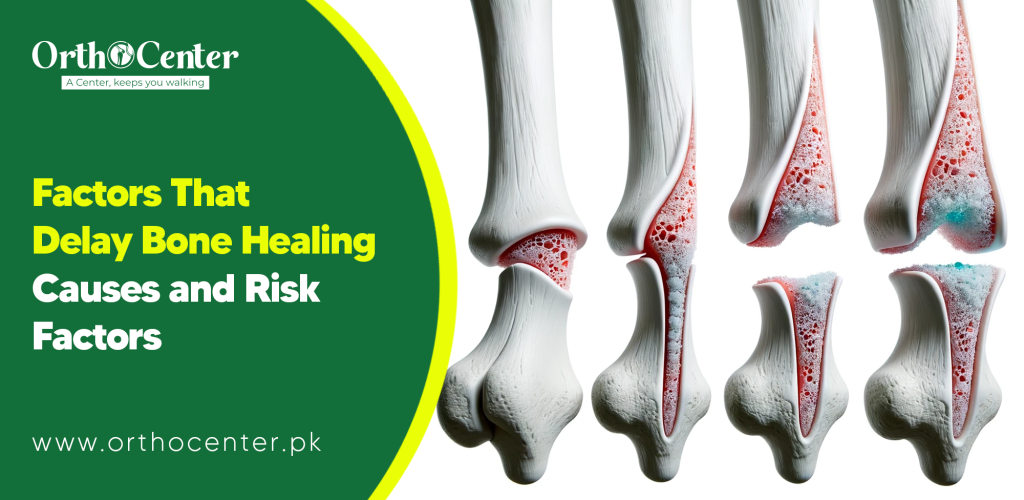
Getting a fracture or undergoing orthopedic surgery suddenly puts life on hold. Patients want to recover as quickly as possible so that they can resume their life activities. They wait desperately for the moment their orthopedic surgeon shows them an X-ray image of the healed bone and tells them that everything is fine.
But sometimes weeks stretch into months of painful experience, and bones don’t heal properly. This could be due to delayed union or nonunion. It causes enormous emotional and physical exhaustion and fear of becoming permanently impaired.
When conventional healing processes become delayed, seeking an expert opinion becomes vital; Dr. Ahmed Shoaib uses over 20 years of expertise in reconstructive orthopedic surgery, revision surgery, replacement surgery, and bone cancer treatment to ensure that the patient’s bone healing process resumes on its path. Understanding the factors that delay bone healing helps patients spot problems and protect their rehabilitation process.
Human bones are living tissue that constantly remodels itself. Here is how the bone healing process occurs after a fracture or surgery:
Under ideal conditions, all these steps occur without problems. But bone remodeling needs proper blood supply, metabolic energy, mechanical stability, and a healthy immune system.
A traumatic fracture is a great challenge for the body. The process of healing takes place at different speeds depending on the location of the injury, the blood supply, and the level of mechanical stability.
In the ankle bone healing process, two major obstacles can prevent successful Ankle Fracture treatment: the issue with blood supply and the attempt to walk while the bone is still not ready. The tissues near the ankle joint are very thin, and blood flow diminishes as it travels farther down the leg.
Increased swelling and poor blood supply will cause decreased oxygen and micronutrient supplies to the area of injury. If the patient starts walking with a soft callus, it will get damaged due to micro-motion.
The balance between early movement of the joint (to prevent stiffening) and immobilization of the joint structure is required for the healing process of wrist and shoulder fractures.
Wrist Fractures (Distal Radius Fracture, Scaphoid Fracture): A fracture of the scaphoid will cause a lack of blood supply, which will lead to poor healing and sometimes avascular necrosis.
Shoulder Fractures (Proximal Humerus): In the shoulder joint, the power of rotator cuff muscles and tendons creates stability. The constant traction of muscles prevents stable fixation of bones.
After joint replacement surgery, the bone should fuse and remodel itself permanently with an artificial prosthetic device. Bone healing can be slowed down by the following factors in knee arthroplasty:
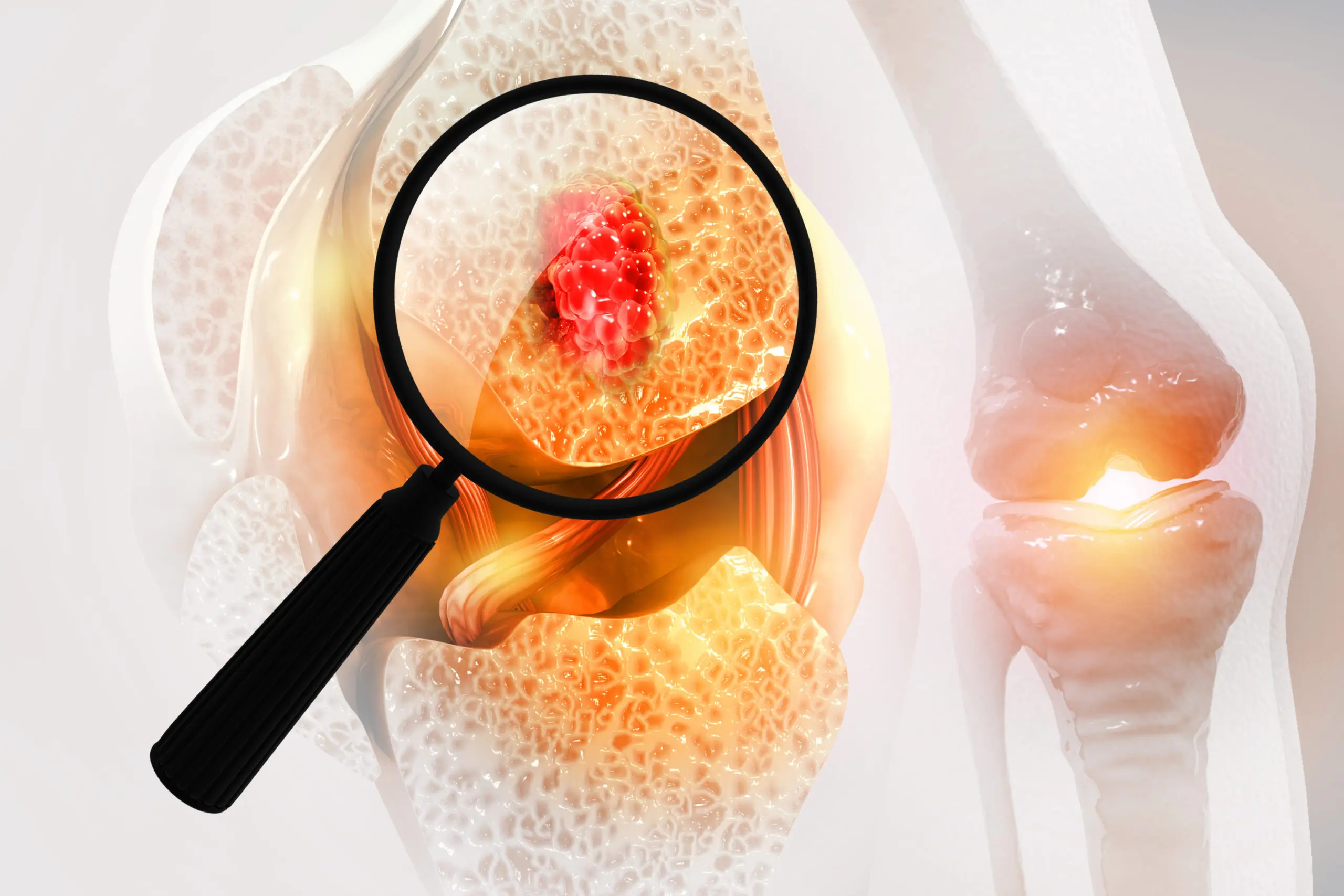
Regardless of whether a patient is dealing with primary cancers such as osteosarcoma or secondary metastases, the bone repair function may be affected.
Steroids are used to control inflammatory reactions and vomiting. But they affect the body’s calcium absorption and kill bone-forming cells. These bone cancer treatments are important for patients but have some side effects.
Chemotherapy drugs are made to destroy rapidly growing cells. They also affect the development of new bone matrices by destroying bone-forming cells (osteoblasts and osteoclasts). Targeted radiation damages the mini blood vessels and results in oxygen-starved bone beds.
If bone cancer surgery takes place inside the radiated area, the bone repair process proceeds much more slowly than usual.
Visit Orthocenter for Safe Treatment And A Smoother Recovery From Bone Cancer.
The hurdles influencing skeletal recovery fall into three distinct categories: biological, biomechanical, and medical/pharmacological.
| Category | Delaying Factor | Physiological Mechanism | Primary Clinical Risk |
|---|---|---|---|
| Biomechanical | Excessive Motion / Instability | Tears fragile capillary networks. Disrupts initial soft callus formation | Nonunion. Hardware failure. Persistent deformity |
| Vascular | Nicotine & Smoking | Potent vasoconstrictor. It limits oxygen and vital nutrients from reaching the fracture | Up to 2–3x higher rate of nonunion |
| Metabolic | Poor nutrition/vitamin deficiencies | The deficiency in proteins, calcium, and Vitamin D starves bone-forming cells | Soft and porous callus. Slow mineralization process |
| Systemic Disease | Uncontrolled Diabetes | Hyperglycemia. Damage to microvasculature and inflammation | Slow healing. Increased susceptibility to infections |
| Medications | Painkillers and steroid use | Inhibits the healing process | Decreased cell migration to the fracture site |
| Cancer treatment | Bone cancer therapy (radiotherapy, chemotherapy) | Damages microvasculature. Stops the fast proliferation of osteocytes | Fractures of the pathological type. Implant fixation problem |
In addition to the area affected by an injury, daily habits and nutrition can greatly influence bone healing. Following a diet to speed up bone healing and maintaining healthy daily habits can support the recovery process.
Having a slow bone healing process is discouraging. Waiting while watching each passing day and being unable to perform routine actions becomes challenging in many aspects. Bone tissues have a great potential to regenerate under favorable circumstances.
Being aware of the physiological challenges, from joint stress and lifestyle factors to the aggressive impact of cancer treatments, allows patients to regain control over their healing process.
Proper nutrition, consultation with an orthopedic surgeon, and consistency during rehabilitation will allow one to move past difficulties with bone healing. If lingering pain, unhealed fractures, or post-surgical complications are putting one’s life on hold, they shouldn’t navigate recovery alone.
The best option is to schedule a consultation with Dr. Ahmed Shoaib at Orthocenter to benefit from over 20 years of advanced surgical expertise in joint replacements, arthroscopic repair, and complex bone cancer treatments.
WhatsApp Us
