Welcome to Our Orthopedic Clinic in Pakistan!
Ankle fractures are considered one of the most prevalent lower-limb injuries and might happen to any person: young athletes and older age groups of people with weak bones. Over the last ten years orthopedic surgery has evolved tremendously, providing patients with quicker, painless recovery and enhanced joint functionality. Also, the current methods fix the bone, restore the functionality, reduce the recovery period, and save the joints. This article addresses the modern orthopedic surgery innovations that are transforming the process of recovery. Moreover, it will guide patients regarding what patients should anticipate during the recovery period.
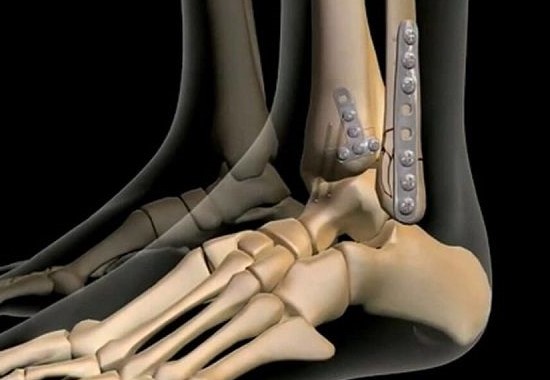
Ankle fracture is the breaking of one or more bones that make up the ankle joint- tibia, fibula, or talus as a result of trauma. These breaks may be caused due to falls, twists, sports injuries, and accidents.
The common symptoms include deep pains, swelling, walking difficulties, and bruising. Minor fractures can be managed through other conservative means, like casting and moderate to severe fractures tend to require surgery in order to attain good alignment and stabilization.
In modern orthopedic surgery, ankle anatomy is restored, and subsequently, patients get a chance to resume normal activities with a minimal number of complications in the long run.
Traditional surgery for the ankle fracture was primarily concerned with the stabilization of fractured bones. However, modern orthopedic surgery is more detailed. Technology, improved biomaterials, and improved methods have revolutionized the treatment experience.
All these innovations make the healing process faster, more mobile, and predictable.
Accurate positioning is the key to long-term ankle health. The use of modern instruments enables the Orthopedic surgeon to rebuild the bone structure with not only great precision but also to reduce the occurrence of arthritis, persistent pain, and instabilities.
Surgical procedures facilitate early mobilization. Lightly, the patients are initiated into the exercise of movements within a few days after surgery under the medical care. Early rehab prevents stiffness, maintains muscle strength and promotes improved functioning. It replaces long-term immobilization with directed movement.
Minimal invasive procedures and advancements in implantation minimize the chances of infection, reduce scarring, and spare the surrounding tissue. The fixation of bone is also enhanced, resulting in less movement of the bone during the healing process.
Superior stability is provided by anatomically designed plates, locking screws and high-strength materials. This allows a more natural reversion to normal activities, even in load-bearing.
The improved anaesthesia, including nerve block and post-operative analgesics, can assist patients in dealing with discomfort. This enhances the healing process and promotes early physical treatment.
Modern Care, Faster Healing: Discover Advanced Ankle Fracture Surgery at Orthocenter
Move With Confidence Again: Expert Orthopedic Treatment Begins Here
The outcome of modern orthopedic surgery for ankle fracture is recovery that is rapid and personal with regard to the extent of fracture and the overall health.
Swelling is reduced by rest, elevation, and prescribed pain medication. A splint or boot is used to cover the surgical site. Contemporary ways of pain control render this phase less painful.
Patients begin to make light ankle movements and partial weight bearing with the help of the surgeon. Physical therapy aims at preventing flexibility and stiffness.
Weight-bearing gradually increases in patients. The exercises are strength training, which reinforces muscle support around the ankle, improving balance and functionality.
Much of the mobility returns for the majority of the patients in 3-4 months. Complex fractures may require more time for complete healing. Contemporary practices enable patients to resume normal activities, sports, or work duties sooner.
Even advanced surgery focuses on physical therapy. Individual therapists develop their own routines, which include:
– Range of motion
– Muscle strength
– Balance and coordination
– Walking mechanics
Contemporary treatment is a mix of functional training that restores patients’ confidence. Timely and repeated treatment significantly reduces the chances of chronic stiffness or instability.
The current orthopedic practices considerably reduce the chronic complication risks. Such as:
– Post-traumatic arthritis
– Persistent swelling
– Mobility limitations
Modern orthopedic surgery not only repairs the fracture but also protects the well-being of the joints in the future.
Individualization is also a characteristic of modern orthopedic treatment. Surgeons evaluate the quality of the bones, age, activity, and the complexity of the fracture to create the most successful plan of treatment and recovery. Furthermore, they aim for a smooth recovery process through highly developed surgical methods and through exceptional follow-up services.
Take the first step toward a stronger, safer recovery with Orthocenter. Whether you’re coping with an ankle fracture, persistent pain, or mobility issues, our Ankle Fracture Treatment Surgeon, Dr Ahmed Shoaib, is here to assist you. Moreover, you can obtain insights into innovative orthopedic treatments and individualized treatment schedules. So, book your consultation today and move confidently toward health.
Modern Ankle fracture surgeries have tremendously improved over the years. Minimally invasive, better implants and early rehab regimens provide patients with faster recovery, reduced pain and improved long-term functionality. These advanced options provide a mobility-oriented choice for permanent joint well-being to any person with an ankle fracture.
Your mobility matters. Reach out to Orthocenter for personalized treatment and advanced surgical options.
WhatsApp Us
